Why Real Change Requires Discomfort (Not Motivation)
Jan 16, 2026
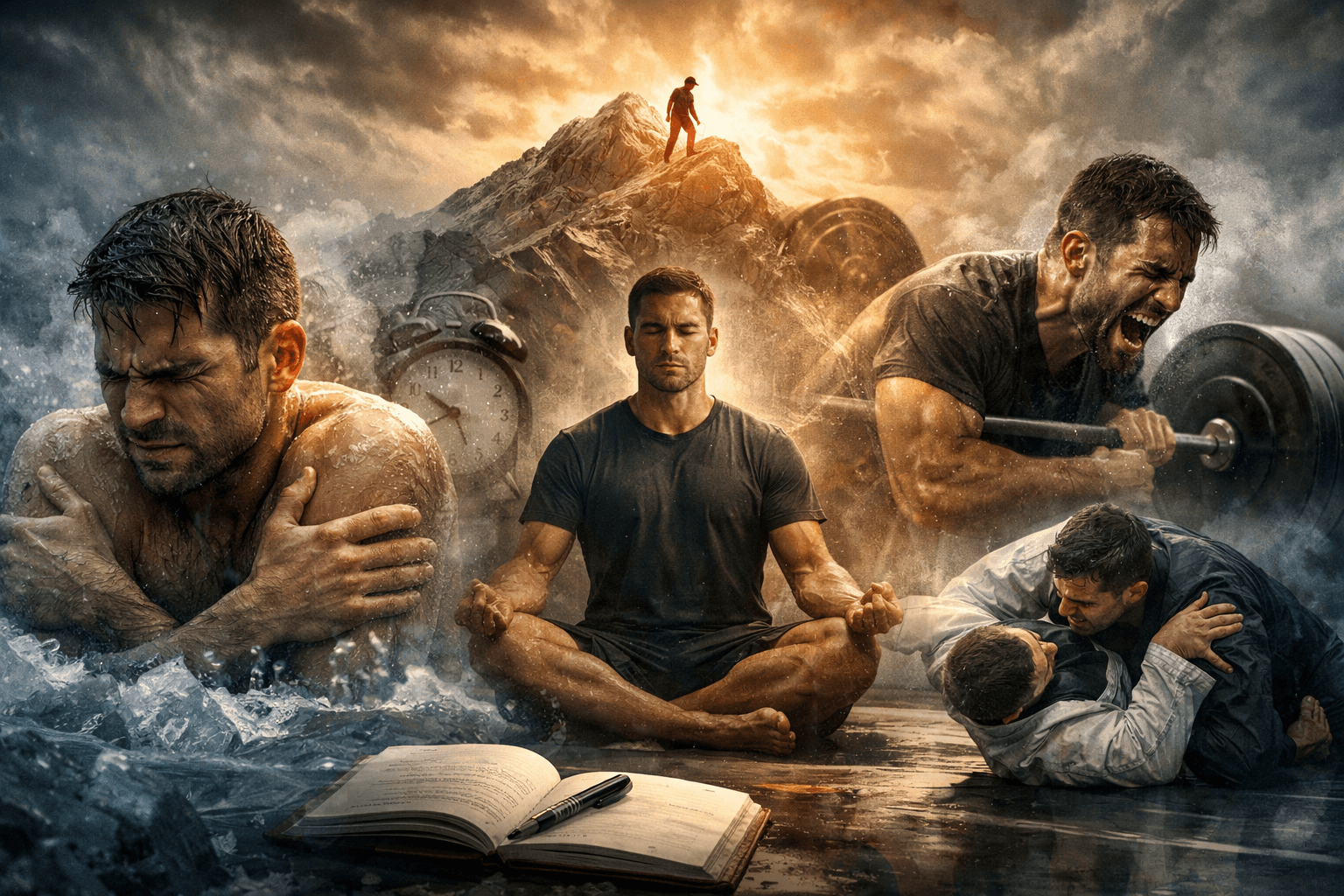
Real change doesn’t come from motivation or feeling ready; it comes from acting while discomfort is present.
Most resistance shows up as “reasonable” justifications - tiredness, mood, or waiting for better conditions.
Discipline is the skill of choosing the beneficial action when pressure and resistance appear.
Discomfort isn’t something to eliminate; it’s something to train your relationship with.
Lasting freedom comes from learning to act without being run by avoidance, not from feeling different first.
You don’t build the life you want with New Year enthusiasm.
You build it by acting while discomfort is present.
This is where most personal development advice goes wrong. It teaches you to wait until you feel ready, motivated, or confident. But lasting change has never worked that way.
Real change is not about feeling ready.
It’s about being willing.
Willingness Beats Motivation Every Time
Willingness means choosing action even when:
You feel tired
You’re not in the mood
The conditions aren’t perfect
Your mind suggests “start tomorrow”
That inner negotiation is familiar to all of us.
Too tired. Not today. I’ll do it later.
These aren’t reasons.
They’re justifications.
The problem begins when those justifications are allowed to decide how you live your life.
Stress, Resistance, and the Path to Freedom
Most people try to eliminate stress before they act.
But freedom from stress doesn’t come from avoiding discomfort — it comes from meeting it.
Genuine change requires doing the opposite of what the mind prefers:
Noticing resistance
Feeling discomfort
Choosing the uncomfortable option anyway
This is what discipline actually is.
Not force.
Not hype.
Not self-punishment.
Discipline is the ability to choose the beneficial action when pressure appears.
Discipline Is a Skill You Can Train
Over the years, I’ve practiced specific daily habits to train this capacity. Not when it’s convenient. Not when I feel like it. But when it’s time.
These habits aren’t about productivity or optimisation — they’re about learning how to act without being controlled by avoidance.
1. Cold Exposure
Not as punishment, but as evidence.
Cold exposure teaches a simple but powerful lesson:
Aversion and sensation don’t control my behaviour.
You feel resistance. You feel discomfort. And you act anyway.
2. Meditation
Not to escape thoughts, but to relate to them differently.
Meditation trains the ability to observe thoughts without being pulled into them. You learn that thoughts are not commands — they’re events.
This is foundational for emotional regulation and mental resilience.
3. Physical Training (Weights & Jiu Jitsu)
Choosing effort when the body wants relief.
Physical training — especially under pressure — reinforces your capacity to stay present, apply effort, and remain composed when every instinct wants escape.
It’s discomfort with purpose.
4. Journaling
Not a diary, but a daily review.
Journaling becomes a tool for:
Gratitude
Identifying emotional triggers
Observing patterns in behaviour
Reflecting on how you responded under pressure
Awareness creates choice. Choice creates change.
These Habits Aren’t the Point
You don’t need to copy these habits.
They’re not rules — they’re training aids.
The real skill is learning how to act without being run by:
Avoidance
Mood
Motivation
Internal negotiation
That skill transfers into every area of life: relationships, work, health, and emotional wellbeing.
Change Doesn’t Start With Feeling Better
This is the core truth most people miss:
Genuine change doesn’t come from feeling different first.
It comes from learning how to act while discomfort is present.
When you stop waiting to feel ready, life starts to move.
And that’s where real freedom begins.

High-Functioning Burnout: When Your Life Still Works but You’re Not Okay
Sep 11, 2026

Why bad habits are so hard to break and how to break them
Sep 4, 2026

They don’t have to respect your boundaries. You do.
Aug 28, 2026

How to Build Confidence: Stop Waiting Until You Feel Ready
Aug 21, 2026