Why avoidance is quietly destroying your confidence, relationships, and mental health
May 15, 2026
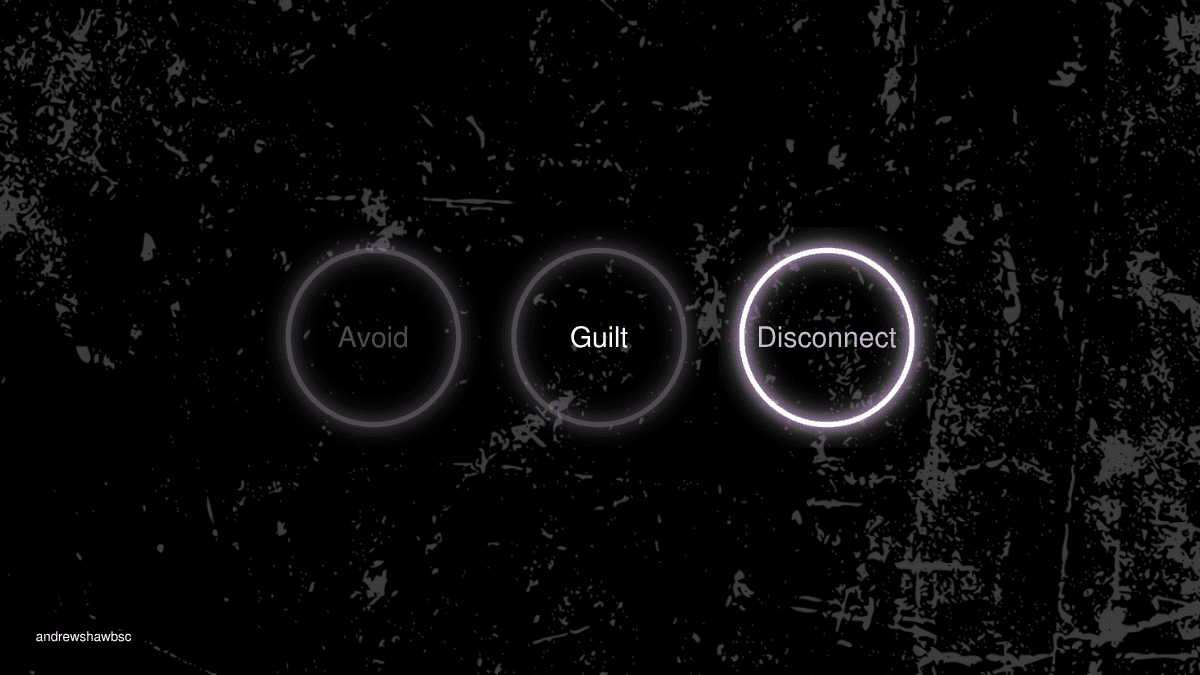
Avoidance is rarely laziness it’s often a protective response to stress, fear, overwhelm, or self-judgment.
Avoiding something creates temporary relief, but strengthens anxiety, fear, and self-doubt over time.
Chronic avoidance slowly damages confidence, relationships, health, and self-trust.
The real issue is usually not the task itself, but the emotional threat your mind associates with it.
Overcoming avoidance is less about forcing discipline and more about teaching your mind and body that showing up is safe again.
“I’ll do it when I feel ready.”
“It’s not worth the hassle.”
“If I say something, it’ll only cause trouble.”
Most people think avoidance is harmless.
A temporary delay. A way to reduce stress. A coping strategy until life feels more manageable.
But avoidance rarely stays contained.
It compounds quietly over time.
What begins as postponing a difficult conversation, avoiding the gym, delaying work, or suppressing emotions gradually spreads into every area of life. Until one day, you realise your health has declined, your relationships feel distant, work feels heavier, and life feels flatter than before.
Not because you stopped caring.
Because avoidance disconnected you from the parts of life that required your presence.
The real reason avoidance happens
Many people assume avoidance is laziness, lack of discipline, or poor motivation.
Usually, it is none of those things.
The paralysis begins long before the action itself.
The moment you think about doing something important, your mind immediately moves into pressure, self-criticism, fear of failure, overwhelm, or anticipated disappointment.
Before anything has even happened, your nervous system already experiences the situation as emotionally unsafe.
So you avoid.
And initially, avoidance works.
The pressure drops.
Your body relaxes.
There is temporary relief, almost as if you escaped danger.
That relief becomes reinforcing.
The avoidance cycle that keeps you stuck
The problem is that the relief never lasts.
Soon the guilt appears.
Then frustration.
Then disappointment in yourself for not following through.
The next time the task appears, the emotional resistance feels even stronger.
Over time, even small things stop feeling neutral.
Replying to a message.
Opening your laptop.
Going to the gym.
Speaking honestly in your relationship.
Following through on plans.
None of these situations feel emotionally simple anymore because your mind has learned to associate them with stress, pressure, shame, or failure.
Avoidance slowly becomes protection.
But what protects you in the short term can imprison you in the long term.
How avoidance destroys self-trust
One of the most damaging effects of chronic avoidance is the gradual erosion of self-trust.
You begin disappearing from your own life in subtle ways.
You avoid important conversations.
Stop expressing parts of yourself.
Become emotionally absent with people you care about.
Withdraw from opportunities.
Delay decisions.
Eventually, you stop believing your intentions mean anything because your actions no longer align with what you tell yourself you want.
Every avoided action reinforces the same unconscious belief:
“Maybe I can’t handle this.”
“Maybe something’s wrong with me.”
But avoidance is rarely evidence that you are incapable.
More often, it is evidence that you have spent too long under stress, pressure, emotional exhaustion, self-judgment, or overwhelm.
Avoidance became adaptation.
Why avoidance and anxiety feed each other
Avoidance and anxiety operate in a powerful feedback loop.
When you avoid something uncomfortable, your nervous system experiences immediate relief. That relief teaches your brain that avoidance is the safest solution available.
Unfortunately, this strengthens fear over time.
The more you avoid, the more threatening the situation begins to feel.
This is why avoidance often expands beyond one area of life.
What began as avoiding a difficult task can eventually affect relationships, health, confidence, work, ambition, and emotional wellbeing.
Your world slowly becomes smaller.
Overcoming avoidance is not about becoming more disciplined
Most people try to solve avoidance by becoming harder on themselves.
More pressure.
More self-criticism.
More productivity hacks.
But forcing yourself forward while your nervous system still perceives danger often increases resistance rather than resolving it.
A better question is not:
“How do I become more disciplined?”
Instead ask:
“When I imagine moving forward again, what actually feels threatening?”
Not the practical part.
The emotional part.
What feels dangerous about:
Sharing your work?
Going to the gym?
Setting boundaries?
Being fully seen?
Having difficult conversations?
Pursuing the life you genuinely want?
Because the issue is rarely the task itself.
It is the emotional meaning attached to it.
How to start breaking the avoidance pattern
Overcoming avoidance starts with understanding that your mind and body are trying to protect you, even if the strategy is now hurting you.
The goal is not to force yourself into constant productivity.
The goal is to rebuild safety, self-trust, and emotional capacity.
That often looks like:
Reducing excessive self-judgment
Taking smaller actions consistently
Separating effort from identity
Learning to tolerate discomfort without retreating
Reconnecting with parts of life you have emotionally withdrawn from
Understanding the fears beneath the avoidance itself
Progress begins when showing up no longer feels psychologically threatening.
Final Thoughts
Avoidance is rarely about laziness.
It is often a nervous system adaptation to prolonged stress, fear, overwhelm, criticism, or emotional exhaustion.
The problem is that while avoidance reduces discomfort temporarily, it slowly disconnects you from your confidence, relationships, goals, and sense of self.
You do not rebuild your life by endlessly waiting to feel ready.
You rebuild it by teaching your mind and body that participation in life is no longer something you need protection from.
Frequently asked questions about avoidance
Is avoidance a trauma response?
It can be. Avoidance is often a protective response developed after prolonged stress, criticism, emotional overwhelm, burnout, anxiety, or painful experiences. The nervous system learns that avoiding discomfort feels safer than confronting it.
Why does avoidance make anxiety worse?
Avoidance creates temporary relief, which reinforces fear. The brain learns that escaping discomfort is the safest option, making future situations feel even more threatening.
How do I stop avoiding everything?
Start small. Focus on rebuilding self-trust rather than forcing massive change. Identify what feels emotionally threatening beneath the task itself and gradually teach your nervous system that discomfort is tolerable and survivable.
Is avoidance the same as laziness?
No. Laziness implies unwillingness. Avoidance is often driven by fear, overwhelm, emotional exhaustion, perfectionism, anxiety, or nervous system dysregulation.

How to respond differently to stress and difficult emotions
Sep 25, 2026

Why You Keep Waiting to Feel Ready Before Taking Action
Sep 18, 2026

High-Functioning Burnout: When Your Life Still Works but You’re Not Okay
Sep 11, 2026

Why bad habits are so hard to break and how to break them
Sep 4, 2026